

waterproof electric patio heaters in an Outdoor Electric Heater For Patio
Many people love to spend time outdoors, but they find it difficult after the sun sets to remain warm. To avoid having to go inside when the weather turns cold, invest in a patio heater that is electric.
They are safe to use following use and can be heated in just a few seconds. However, they should be placed in a well-ventilated space in accordance with the manufacturer's guidelines.
Heater Coverage
Patio heaters can prolong the season of entertaining by providing warmth to your outdoor furniture. The heaters are available in electric and gas models with some models having adjustable settings to suit your needs.
The ideal patio heater is based on the size and layout as well as the geographical location of your area. If you live in a region that is colder, you should consider an electric patio heating system with a high wattage to provide maximum coverage. Gas models, such as the propane patio heater from AZ Patio Heaters will also provide a warmer environment, but require a constant supply of fuel.
The clearance requirements for your patio heater will be contingent on its power source as well as if it is mounted or freestanding. Gas patio heaters typically require minimum clearance of three feet between the top of the heater and any object that is combustible, such as ceilings and walls. If your patio heater comes with a tip-over auto shut-off the clearance can be reduced to less than three foot which makes it suitable for specific uses.
Electric patio heaters are more flexible in their installation options and do not require placement near combustible items. It also uses less energy than gas models and has less power output. Electric heaters are easy to move and can be plugged into regular 120 volt outlets. However, the frequent use of these types of heaters can increase your electric bill.
Some electric patio heaters are constructed with infrared technology that produces more concentrated warmth for a greater temperature and shorter time. They are low-profile and can be positioned under umbrellas and awnings to create simple, minimalist design. They are also available in a range of colors and finishes, like black or copper for more minimalist spaces. Some are made of stainless steel that is marine grade 316 to ward off corrosion in harsh coastal environments.
The most effective patio heaters will include a remote control, which allows you to adjust the temperature and set an alarm. Some models come with a light display that increases the visual appeal. To add an extra level of convenience, opt for a model which can be integrated with your home automation system.
BTUs of Heater
You'll want to consider the amount of power you require and the size of your patio. It's important to take this into consideration because some models are only designed to heat small spaces, while others are built for larger areas. It is also crucial to make sure the model you pick has enough power to heat your space adequately without overheating and creating fire hazards.
When determining the perfect BTUs of your patio heater for your space, refer to the manufacturer's instructions for proper usage and safety measures. Whatever type of heater you select, it's essential to adhere to these guidelines and keep a fire extinguisher on hand in case of. It's also essential to keep the unit away from close to anything that might be potentially flammable, like awnings, umbrellas or furniture.
When selecting an outdoor electric heater, you must also think about whether the heater will be standing or wall-mounted. Wall/ceiling mounted units work perfect for areas that have little floor space or require to save space. They can be concealed into a flat roof and work well under umbrellas or gazebos. They're also ideal for design-focused spaces that are looking to maintain an uncluttered aesthetic.
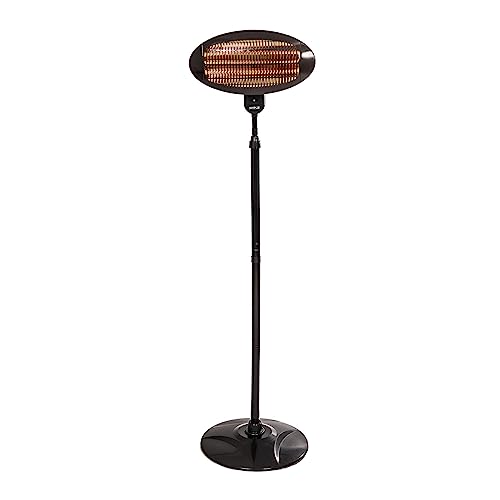
Standing units, on the other hand, can be put in any place. They're great for courtyards, balconies garages and outdoor patios and restaurants. You can also move them around to change the direction of the waves, if required. Some of the more popular standing electric heaters have features like multiple temperature settings as well as a remote control, and an adjustable height.
You'll need to select an electric patio heater that has an auto shut off feature that is tip-over. off feature. This feature shuts off the unit if it tilts beyond a certain angle. It helps keep you and your guests safer. A lot of models have an integrated overheating safety system that stops the heater from operating when it gets too hot. Regardless of the model you select, it's essential to stay close to the unit throughout operation in the event of a accident or fire risk.
Safety Measures
There are three types of heaters you can pick from when buying a patio heater: propane, natural gas and electric. Propane heaters require no electrical or plumbing work and the propane tank, which weighs 20lbs. This can be purchased at any hardware store or supermarket. Propane heaters can offer up to 8-10 hours of heat on one tank. However the cost of fuel is higher than the two other.
Natural gas heaters require a permanent installation and a professional to connect them to the gas line. These are also the most expensive of the three, but will provide a steady source of heat that could last for up to two times longer than propane heaters.
All three heaters must be kept away from anything that is combustible. This includes flammable plants, fabric like tablecloths and awnings. It is also important to ensure that the proper ventilation of the area you are using these heaters in, since natural gas and propane could emit dangerous carbon monoxide.
The best way to ensure safety is to follow the manufacturer's recommendations when installing your patio heater. They will usually tell you to keep the heater a safe distance from walls, ceilings and anything else that could be combustible and also the distance it should be from other units.
Any device that is permanently mounted should be connected to a power outlet that has RCD (residual current device) protection. This device can save lives by preventing accidental contact with live wires that could cause an electrical fire.
When selecting a standing patio heater, make sure that it is rated for outdoor use and includes anti-tilt functions built into. These usually take the form of water weights, flame-retardant tie or bungee cords that will aid in securing your new heater in place and stop it from falling over. These devices are essential to avoid any dangers, and to keep you and your family safe.
Maintenance
A patio heater can be a valuable addition to any outdoor gathering, allowing guests to remain warm in the cold winter months. These heaters must be maintained and cleaned regularly to function effectively and safely. Basic understanding of usage and maintenance can help prevent common issues and extend the lifespan of these appliances.
Electric heaters such as Bromic's Platinum Electric or Tungsten Electric should be cleaned using an unabrasive soap and kept in an area that is dry and clean when not in use. If you notice that your unit flashes or emits a noxious odor It could be the result of an out of date fuse or damaged heater element. Examine both components and replace the heating element in the event that it is bent or showing signs of wear.
Propane patio heaters may be affected by similar issues. They are typically caused by a malfunctioning thermocouple or a blocked gas line. This issue can be solved by removing access panel and blowing air into the pipe. To avoid serious malfunctions or accidents, a clogged pipe must be removed and inspected regularly.
You should not use gas or propane heaters indoors. This could result in carbon monoxide poisoning and fire dangers. Portable heaters should be kept in a garage or covered shed to protect them from snow and rain. Gas cylinders must be removed from the heater and kept in a well-ventilated area. It is recommended that the gas regulator checked for leaks or damage on a regular basis as well. This component connects a cylinder with an igniter and is damaged through impact or water. A clogged or damaged regulator can also prevent fuel from reaching the igniter and could result in an accident.